Smart Lighting for Commercial Buildings: What Importers Need to Know
Smart lighting has moved from a premium upgrade to a baseline expectation in Class A offices, retail flagships, and mixed-use towers across North America, Europe, and Asia-Pacific. For importers and systems integrators, the opportunity is substantial—but so is the risk of specifying incompatible protocols, under-provisioned gateways, or fixtures that fail cybersecurity audits. This article explains the technology landscape in plain procurement terms and outlines what to document before you commit to a container of connected luminaires.
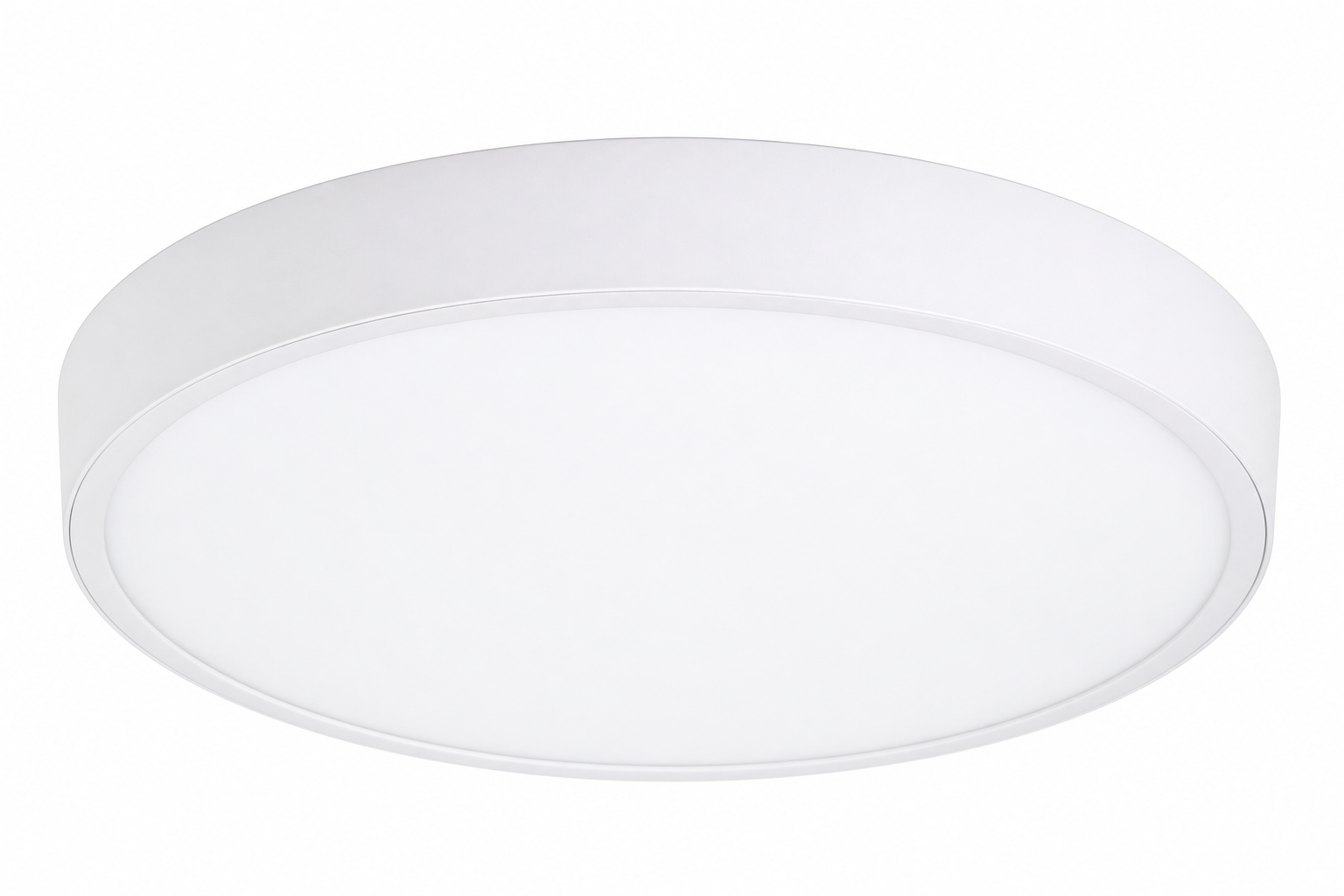
Why Smart Lighting Matters for Commercial Portfolios
Connected lighting reduces energy through occupancy-based dimming, daylight harvesting, and time scheduling. It also generates data—space utilization, maintenance alerts, and circadian tuning—that property managers use to justify higher rents and lower operating costs. Building codes in several U.S. states and EU member countries now reference automatic daylight responsive controls, making smart-ready hardware a compliance issue, not just a amenity.
Energy and Operational ROI
Well-designed smart systems typically deliver an additional 20–35% energy savings beyond LED retrofit alone. Predictive maintenance notifications—driver temperature anomalies, lamp-hour thresholds—reduce emergency callouts in multi-tenant buildings where access coordination is expensive.
Protocol Comparison for B2B Buyers
| Protocol | Best Fit | Wiring | Integration |
|---|---|---|---|
| DALI-2 | Large offices, hospitals | Dedicated control lines | BMS via gateway |
| Bluetooth Mesh | Retrofit, retail, hospitality | Wireless node in fixture | Cloud or on-prem app |
| Zigbee / Matter | Smart building ecosystems | Wireless | Multi-device platforms |
| PoE lighting | New-build tech campuses | Ethernet cable | IT network native |
Hardware Layers Importers Must Specify
Luminaires with Embedded Controls
Many commercial projects use luminaires with integrated sensors and drivers that speak DALI-2 or wireless mesh. Confirm whether sensors are microwave or PIR, and whether daylight sensors are internal or remote. Mixed-vendor projects fail when sensor coverage overlaps create flicker or false triggers.
Gateways, Servers, and Software
Gateways translate fixture-level protocols to BACnet/IP, Modbus, or cloud APIs. Specify failover behavior when network connectivity drops—lights should revert to a safe default state, not turn off entirely. Software licensing models vary: perpetual, per-fixture annual, or per-square-meter subscriptions. Clarify who owns data and where it is hosted for GDPR or state privacy compliance.
Cybersecurity and Commissioning
Enterprise clients increasingly require firmware signing, encrypted OTA updates, and role-based access control on lighting networks. Ask manufacturers for penetration test summaries or SOC 2 reports when supplying Fortune 500 tenants. Commissioning should include scene verification, emergency override testing, and documentation of MAC addresses for IT asset registers.
When sourcing from overseas factories, request a bill of materials separating OEM driver brands from proprietary control modules. Long-term spare availability depends on whether the intelligence layer is open-standard or locked to a single vendor's cloud.
Frequently Asked Questions
Can I mix smart and non-smart fixtures on one floor?
Yes, but zone controllers must account for both types. Non-smart fixtures may need compatible dimming drivers if they share circuits with controlled zones. Document which bays are smart-ready for future upgrades.
Is wireless reliable enough for commercial offices?
Bluetooth Mesh and Zigbee networks perform well when designed with adequate node density and avoid metal-heavy ceiling plenum layouts without repeaters. Conduct a site survey for buildings with extensive steel decking.
What does DALI-2 offer over original DALI?
DALI-2 adds standardized interoperability, multi-master control, and clearer device certification. It is the preferred specification for new commercial towers where multiple control vendors may operate on the same bus.
Does smart lighting qualify for utility rebates?
Many North American utilities offer enhanced rebates when networked controls are paired with LED upgrades. Submit manufacturer cut sheets and control narratives early—rebate windows often close before project completion.
How do I future-proof a smart lighting purchase?
Choose open protocols, document firmware update paths, and specify modular drivers that can be swapped without replacing the entire housing. Avoid proprietary wireless stacks with no migration path to Matter or DALI-2.
Who commissions smart lighting on large projects?
Typically a lighting controls specialist or BMS integrator, not the electrical contractor alone. Include commissioning hours, training for facility staff, and as-built control sequences in the contract.
What lead time should I expect for smart commercial fixtures?
Standard smart-ready panels and downlights ship in 4–6 weeks. Custom programmed scenes, PoE fixtures, or integrated sensors may extend lead times to 8–12 weeks. Order gateways and software licenses in parallel with luminaires.